
Pan’an: Scaling Up the Traditional Chinese Medicine Industry to Forge a Golden Brand as the “Medicinal Town of Jiangnan”
Release date:
2020-08-20
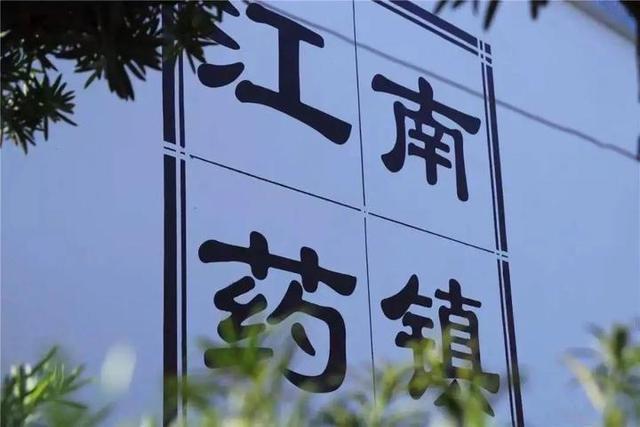
The Ninth Plenary Session (Expanded) of the Tenth CPC P’an’an County Committee and the Seventh Plenary Session of the Thirteenth P’an’an County People’s Government proposed that, with Jiangnan Pharmaceutical Town as the core platform, we should fully leverage the county’s foundational advantages as “the Hometown of Chinese Medicinal Materials” and a major national production base for authentic medicinal herbs. Adopting a whole‑industry‑chain approach to strengthen and supplement supply chains, we will accelerate the development of a TCM industrial system centered on the cultivation of Chinese medicinal materials and focused on TCM manufacturing and health‑preserving practices. We will deepen the construction of integrated innovation service complexes for TCM, vigorously promote the application and commercialization of new technologies, facilities, and business models across the entire TCM industry chain, and expedite the establishment of a distribution and trading hub for Zhejiang‑produced authentic medicinal herbs. By expanding the scale of the “Eight Treasures of Zhejiang” market as a key trading center for authentic TCM materials, we will build renowned brands such as “Pan Five Flavors” and “P’an’an Medicinal Cuisine,” and make every effort to foster and grow the TCM health‑care industry. This will drive high‑quality development of the TCM sector and position Jiangnan Pharmaceutical Town as a model for the nationwide revitalization of time‑honored traditional industries in the form of distinctive small towns.
Pan’an, the “Land of Ten Thousand Mountains,” boasts an 80.9% forest coverage rate and is renowned as the “Ancestor of All Mountains and the Source of All Waters.” Its pristine landscapes and abundant water resources yield high‑quality medicinal herbs, making Pan’an a veritable treasure trove of traditional Chinese medicine materials. In 2019, the county cultivated Chinese medicinal herbs across 71,800 mu, with a total output of 19,997 tons and a production value of RMB 568 million. The county has attracted and nurtured 15 pharmaceutical enterprises specializing in TCM, including three large‑scale firms and seven high‑tech companies, establishing a comprehensive TCM manufacturing ecosystem that integrates processed herbal slices, formulated granules (extracts), and health‑and‑wellness products. There are 3,363 registered entities engaged in the purchase, sale, and distribution of Chinese medicinal materials, along with more than 200 out‑of‑province traders operating in Pan’an. The “Eight Treasures of Zhejiang” medicinal‑material market hosts 574 trading businesses, recording a transaction volume of RMB 3.5 billion in 2019.
In June 2003, Xi Jinping, then Secretary of the Zhejiang Provincial Party Committee, visited Pan’an to conduct research and expressed his approval of the county’s efforts to develop the traditional Chinese medicine (TCM) industry. Over the past seventeen years, the people of Pan’an have kept the General Secretary’s instructions firmly in mind, striving to turn their unique resource advantages into developmental strengths, raising high the banner of promoting TCM culture, and shouldering the mission of revitalizing the TCM industry.
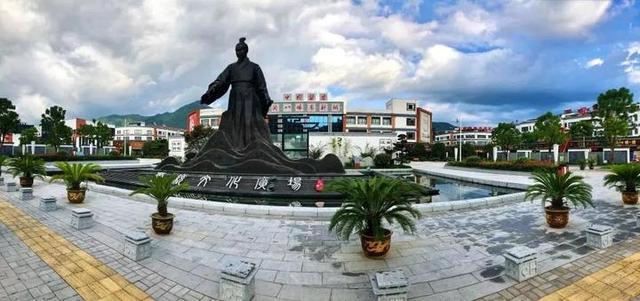
Keeping the Party’s instructions firmly in mind and forging ahead with determination, leading‑edge guidance is crucial, and the cadres of the new town demonstrate strong commitment. In June 2015, “Jiangnan Medicine Town” was included in Zhejiang Province’s first batch of 37 provincial-level characteristic towns under development, becoming the only such town in the province built on the foundation of a time-honored traditional Chinese medicinal materials industry. Positioned as a “land of medicinal herbs, a hub for healthcare, a haven for wellness, and a premier tourist destination,” the town cultivates three emerging industries—TCM health care, tourism services, and health‑and‑elderly‑care—integrating industrial, tourism, community, and cultural functions. It is being developed into a distinctive town centered on traditional Chinese herbal medicine culture, combining a high‑end TCM industry, leisure‑tourism‑wellness offerings, and regionally coordinated growth, with the aim of creating an exquisite, sustainable model that carries forward China’s rich TCM heritage while fostering harmonious coexistence between humanity and nature.
The Pharmaceutical Town may be small, but Pan’an has delivered an impressive performance. As the only特色小镇 in the province built on the foundation of the time-honored traditional Chinese medicine (TCM) industry, Jiangnan Pharmaceutical Town shoulders a vital mission under the provincial “Strong Province in Medicine” strategy and assumes key responsibilities for revitalizing and advancing the TCM sector. The county Party committee and county government have designated Jiangnan Pharmaceutical Town as their top priority project. Over the five years since its inception, the town has attracted 886 TCM‑related health enterprises; it earned “Excellent” ratings in the provincial assessments for three consecutive years—2016, 2017, and 2018—and has successfully established a series of TCM‑industry platforms, including an innovative service complex for the TCM sector, the Well‑Known Experts Health Industry Research Institute, a provincial pilot digital park, the nation’s first integrated pilot program for primary processing at the place of origin and sliced‑herb production, as well as a national 3A‑rated scenic area—demonstrating with concrete actions a remarkable record of achievement.
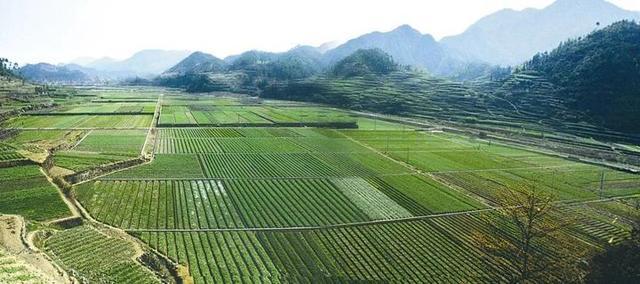
Achievements belong to the past, while the road ahead remains long and arduous. In light of the goals for the Chinese medicine industry and the region’s broader economic and social development—namely, to be integrative, pioneering, and far‑reaching—the Jiangnan Pharmaceutical Town has demonstrated a promising trajectory: steady expansion in scale, accelerating realization of its potential, and an increasingly complete industrial chain. Nevertheless, significant gaps remain before it can exert nationwide influence and achieve the modernization and internationalization of the Chinese medicine sector. At present, the town’s medicinal herb industry has already moved beyond the “Planting 1.0” phase; going forward, it must undergo a high‑quality transformation toward a more advanced industrial foundation and a modernized value chain.
“More specialized industries, stronger innovation, superior functions, more attractive urban forms, a more dynamic institutional framework, and broader regional influence” constitute the objectives of Jiangnan Pharmaceutical Town’s Version 2.0. According to the head of the Jiangnan Pharmaceutical Town Construction Command, the town will fully leverage various innovation platforms, intensify collaboration on research projects, and elevate its value chain from low to high added-value; vigorously advance the development of an online–offline “Eight Treasures of Zhejiang” medicinal herb marketplace, promote the “market–base–farmer” business model, and build a next-generation smart platform; and actively attract a large number of cutting-edge enterprises in traditional Chinese medicine, medicinal cuisine, cosmeceuticals, medical devices, and bio‑cell technologies, thereby forming a TCM industrial cluster spanning thousands of mu and worth tens of billions of yuan. In addition, the town will establish three national‑level bases—dedicated to athlete health care and rehabilitation training, wellness and resort stays, and TCM cultural education and research—catering to national athletes, retired senior officials, and primary and secondary school students, thus creating a modern, high‑end “medical hub.” By capitalizing on its ecological, industrial, and transportation advantages, the town aims to achieve dust‑control compliance rates of “seven standards” for ongoing construction projects, steadily reduce PM2.5 concentrations, and ensure that water quality in designated functional zones meets regulatory benchmarks. Over the next five years, it plans to bring in ten time‑honored Chinese medicine brands, recruit 100 master practitioners of folk healing techniques, and open 1,000 franchised medicinal cuisine outlets. By 2022, the town aspires to be recognized as a provincial-level innovation and entrepreneurship base and a provincial digital pharmaceutical town. Taking the development and construction of the Hangzhou–Wenzhou High-Speed Railway and the Jintai Railway’s Pan’an Station as opportunities, it will create a 10‑minute, convenient living circle and a rapid, accessible transport network within a 1.5‑hour drive covering the Yangtze River Delta, positioning itself as a renowned health‑and‑wellness tourism destination in the region. Centered on the “Jiangnan Pharmaceutical Town” regional brand, the town will integrate traditional Chinese medicine with cultural tourism and the internet, developing new attractions such as Cuifeng Temple and Yangxin Lake to forge a uniquely cultural and distinctive tourist destination.
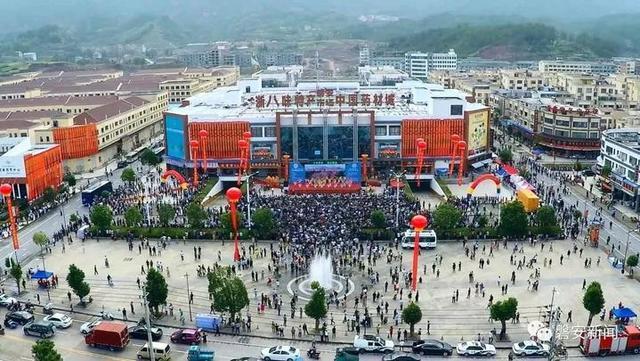
Li Jinrong, Director of the County Traditional Chinese Medicine Industry Development Promotion Center, stated that, in the next phase, the center will focus on building the “Jiangnan Medicine Town” into a signature brand. It will establish a base for producing authentic medicinal‑plant seeds and seedlings, develop standardized cultivation bases for both new and established “Panwuwei” herbs under a “company–base–farmer” model, vigorously promote forest‑medicine industries such as polygonatum and ganoderma, and advance the construction of “digital medicinal gardens” that integrate agriculture with tourism and agro‑industrial‑tourism initiatives. Additionally, the center will set up a product‑R&D platform anchored by the Institute for Innovative TCM Development, attracting talent and expertise through measures such as recruiting research institutes and laboratories, drawing top professionals, and appointing leading experts to spearhead key projects—thus bolstering scientific research capacity via multiple channels and approaches. By fully leveraging Pan’an’s abundant resources of traditional Chinese medicinal materials, the center will also develop a range of products, including proprietary Chinese medicines, hospital‑prepared formulations, cosmeceuticals, health supplements, food‑medicine‑combined products, and other health‑oriented TCM‑based offerings.
Every time the Xinwo market convenes, the herbalist Lü Xiao rises early and arrives punctually at the “Zhe Eight Flavors” medicinal‑herb trading district, waiting for customers to come and do business. A native of Xinwo, Lü Xiao’s family has been engaged in herbal farming for generations, personally witnessing the market’s growth and prosperity. In his view, the development of the Jiangnan Medicinal‑Herb Town has enriched the local people and boosted the regional economy.
In recent years, as the main battleground for the development of Jiangnan Pharmaceutical Town, Xinwo Subdistrict has consistently followed the work plans set by the County Party Committee and the County Government, proactively ensuring effective policy implementation and robust project support, while encouraging residents to wholeheartedly endorse and actively participate in the town’s construction. At present, more than 5,200 households in Xinwo Subdistrict are engaged in the Chinese medicinal materials industry, accounting for 85% of all households; the subdistrict is home to five specialized villages dedicated to medicinal‑plant production, over 430 large-scale growers, and more than 800 people who are employed full-time in the trade of purchasing and selling Chinese medicinal materials. Moreover, 65% of local residents’ income derives from this sector.

Cultivating a distinctive yet robust traditional Chinese medicine (TCM) industry is the primary goal of Xinwo Subdistrict in achieving high-quality economic development. Looking ahead, Xinwo Subdistrict will actively promote the integrated development of the TCM sector, striving to transform its advantages in medicinal herb production into drivers of high‑quality growth. Taking the development of medicinal cuisine as a strategic entry point, it will further extend the TCM industrial chain, moving beyond the conventional model of merely selling raw herbal materials. The subdistrict will vigorously advance initiatives such as medicinal‑cuisine innovation and training for medicinal‑cuisine specialists, thereby fostering the integration of TCM cultivation with the tertiary sector. Leveraging the construction of the high-speed railway, it will continue to improve the transportation network of Jiangnan Medicinal Town and establish a modern logistics service system. With the aim of benefiting and enriching farmers, Xinwo will tailor entrepreneurship support programs for TCM professionals, provide assistance for the development of various incubation parks and business‑incubation centers, and energetically promote both entrepreneurship and employment.
In the height of summer, the construction site of the Guoyao Cultural City project—located in the heart of Jiangnan Pharmaceutical Town—is bustling with activity. The rumble of tower cranes fills the air, engineering trucks shuttle back and forth, two small hills are gradually leveled, and rows of neatly aligned buildings are rising from the ground…
The Sinopharm Cultural City project, positioned as the “hometown of the Medicine Capital and a haven for health and well‑being,” is centered around four core pillars—medicine, healthcare, tourism, and wellness—and plans to develop “Two Zones and Three Streets”: a Traditional Chinese Medicine Expo Community and a Health‑and‑Wellness Community, along with International Renowned Doctors Street, International Arts and Innovation Street, and International Leisure Street. The initiative aims to create an integrated TCM cultural hub that combines TCM‑based health preservation, calligraphy and painting creation, educational outreach, leisure and vacationing, and entertainment and shopping. Upon completion, the project will play a vital role in revitalizing existing land resources, elevating the image of Jiangnan Pharmaceutical Town, and bolstering the development of Pan’an’s “No. 1 Industry.”
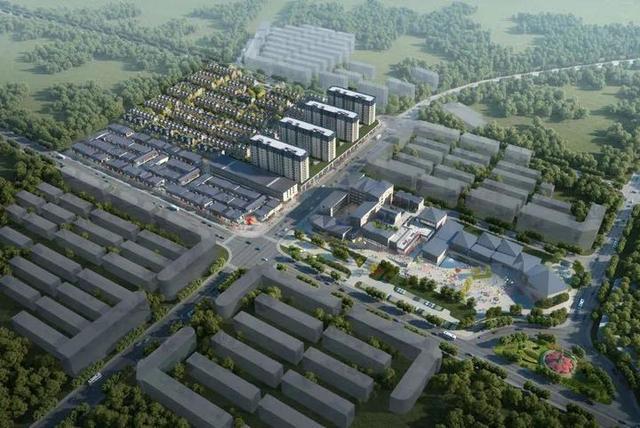
In recent years, Pan’an has proactively addressed the shortcomings in the industrial development of Jiangnan Pharmaceutical Town. The County Investment Promotion Center and other relevant departments have consistently prioritized channeling investment‑attraction resources toward the town. Through the successful establishment of investment projects and the introduction of diverse business formats, they have facilitated the landing of a number of high‑quality initiatives, including Hangzhou Xuefeng Group’s National Medicine Culture City and Maoyan Entertainment’s Central Zhejiang Film Innovation City. As a result, 122 enterprises—led by companies such as Yifang Pharmaceutical and KangEnBei—have been attracted to engage in traditional Chinese medicine manufacturing, formula granule production, and herbal slice processing, while 764 marketing and health‑care firms have also been brought into the area. This has marked a breakthrough from zero for both Fortune Global 500 companies and China’s Top 500 private enterprises, providing robust project‑based support for the agglomeration and sustained growth of the industry.
A millennium‑old homeland of medicinal herbs, now writing a new chapter of splendor. Upholding General Secretary Xi Jinping’s earnest instruction to “prosper the county through the Chinese medicinal materials industry” and bearing the hopes of the people of Pan’an to revitalize this vital sector, we will summon the resolve to shoulder great responsibilities and lead the way, stay steadfast in our commitment, press forward with unyielding determination, and strive for excellence—expanding and strengthening the Chinese medicinal materials industry while crafting, to the highest standards, the renowned “Pharmaceutical Town of Jiangnan.”
Next article
Related Recommendations
Making traditional Chinese medicine more effective, making life healthier.
Service Hotline
Company Address
No. 29, Yaoxiang East Road, Xinwo Subdistrict, Pan’an County, Zhejiang Province
Contact email


